

Designing an AI CoE and AI Factory for GCCs
Learn how GCCs can design an AI CoE and AI Factory operating model with intake, governance, delivery squads, reusable components and value tracking.
Explore practical perspectives from Enrich Services on AI strategy, digital transformation, CRM, customer experience, PMO, analytics, governance, workforce productivity and enterprise execution.
Practical perspectives on AI, GCC transformation, customer experience, digital transformation, CRM, PMO, analytics, workforce productivity and enterprise governance.
Learn how GCCs can design an AI CoE and AI Factory operating model with intake, governance, delivery squads, reusable components and value tracking.

Find out how an AI champions programme helps GCCs scale AI adoption through internal advocates, trainers and role-based support networks.

Explore the practical guardrails GCCs need for responsible AI adoption, including privacy, oversight, tool approval, validation and governance roles.

Understand how a GCC AI use-case discovery sprint identifies, scores and prioritises AI opportunities across functions and workflows.

See how AI productivity workshops and prompt-a-thons help GCC teams use approved AI tools for reporting, analysis, documentation, meetings and knowledge work.

Discover why executive AI masterclasses help GCC leaders align on AI strategy, responsible adoption, portfolio redesign and the GCC’s role in enterprise transformation.

Learn how an AI-Ready GCC Accelerator helps global capability centres build AI fluency, responsible governance, prioritised use cases and a 90-day adoption roadmap.
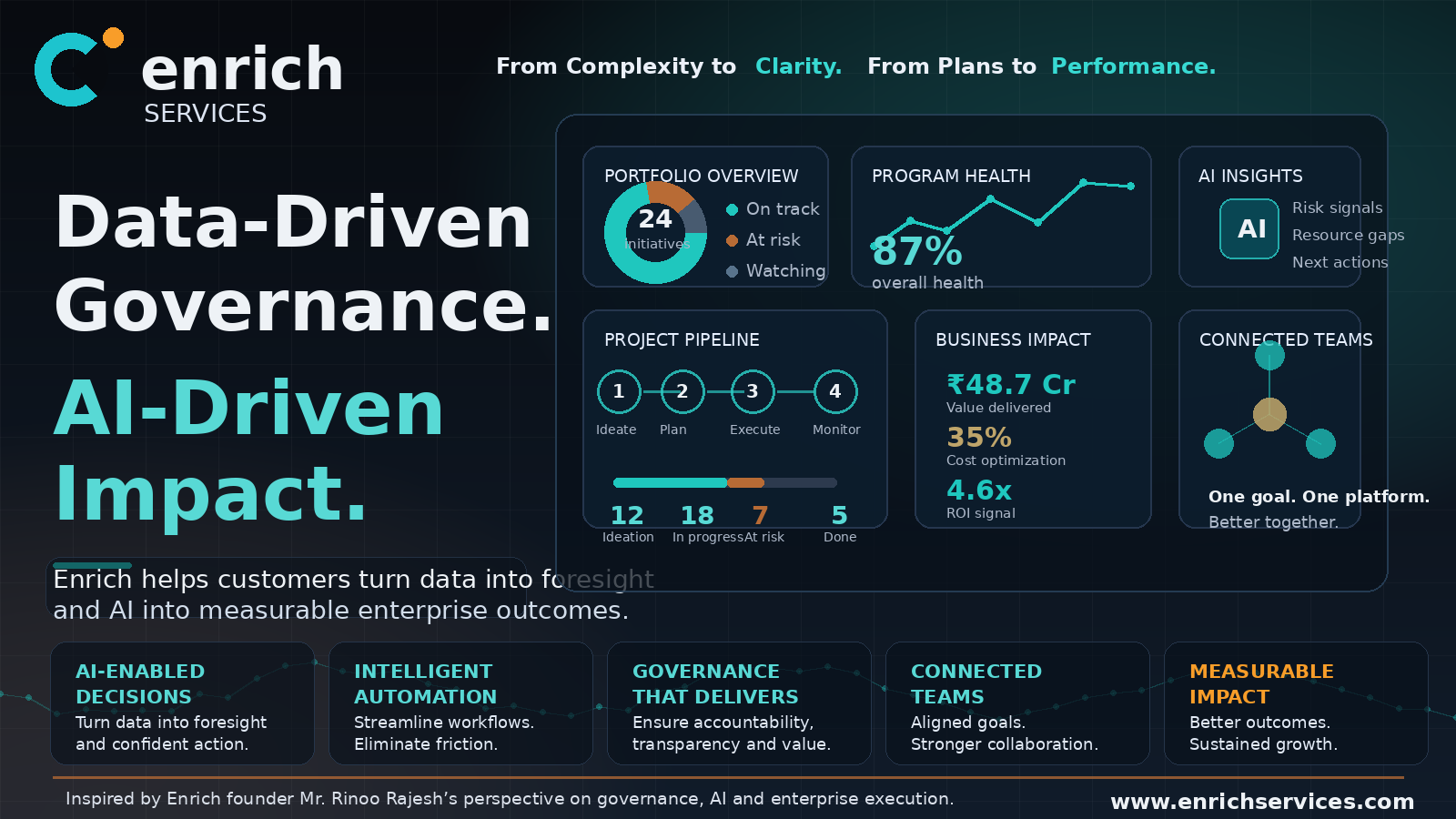
How enterprises can turn data, workflow automation and AI into governance clarity, execution discipline and measurable business impact.

Organizations collect vast amounts of data, but value is created only when information is converted into timely, trusted and governed decisions.
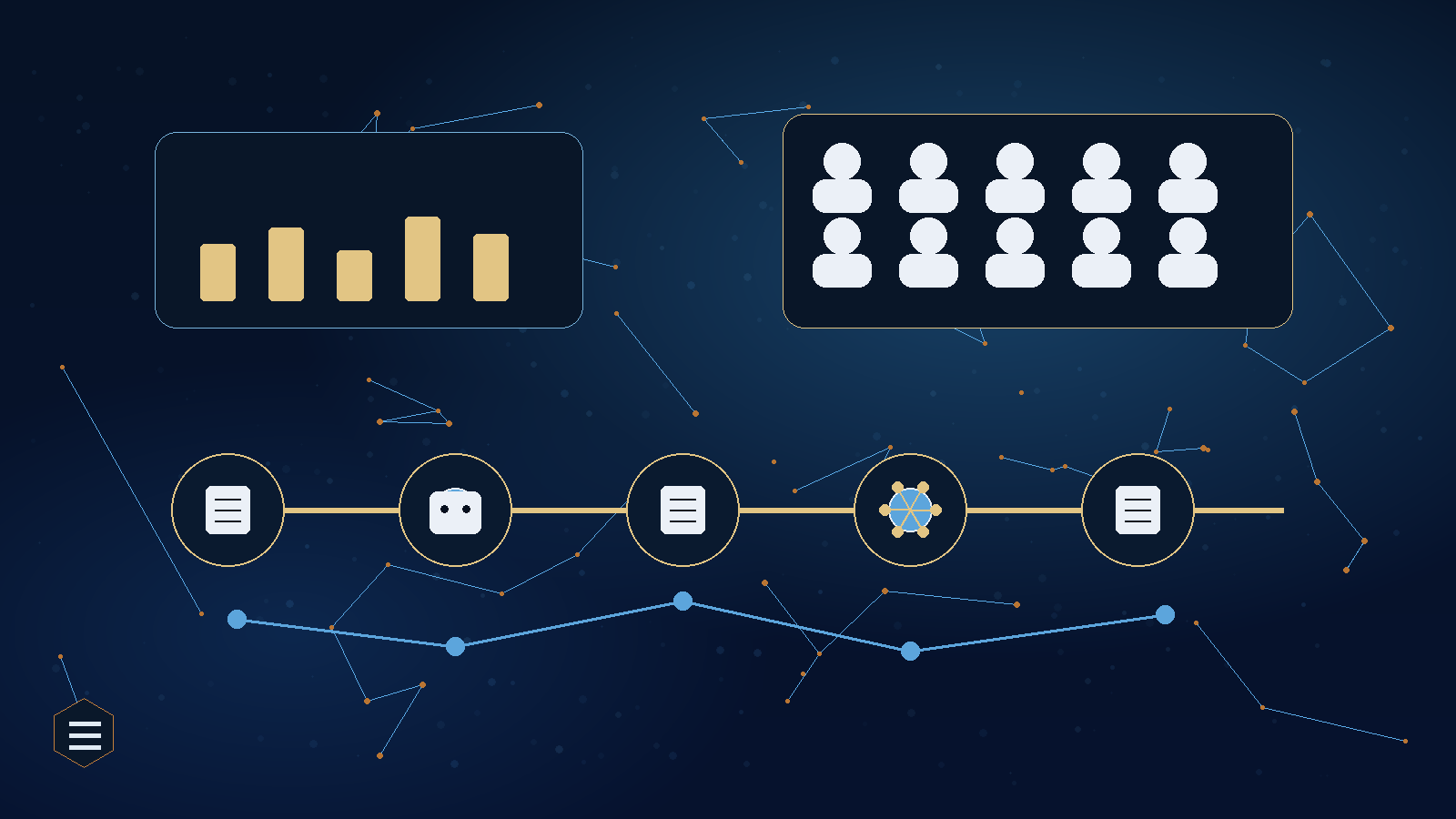
RPA executes rules; AI adds interpretation, prediction and judgment. Together, they create intelligent automation when governance, exception handling and human oversight are designed properly.

AI becomes strategic when it changes how the organization competes, decides, serves customers and governs operations — not when it is restricted to isolated automation pilots.

Customer experiences are remembered not only for what they enable, but for how they make customers feel across digital journeys.

Online reputation management has become an operating discipline because customer opinion now travels faster than traditional brand communication.

A customer-centric marketing strategy begins with understanding how customers decide, where they engage and what friction prevents conversion or loyalty.

Journey mapping helps organizations understand how customers move across touchpoints, where friction appears and which moments shape satisfaction.

Customer conversations contain operational intelligence. Speech analytics can reveal customer friction, agent enablement needs and compliance risks.

Customer-centric marketing requires lifecycle thinking, channel consistency and a disciplined understanding of customer needs.

Superior CX is created when organizations understand journeys end to end, not only individual transactions.

Intelligent experiences emerge when digital channels, CRM, automation, analytics and human service are designed as one connected operating model.

CX benchmarking helps leadership understand where service performance, journey design, technology and governance stand compared with business expectations.

Digital customer experience strategy is about designing journeys where digital and physical touchpoints work together without friction.

Customer experience measurement should connect perception, journey friction, operational performance and business impact.

Digital transformation succeeds when employees have the skills, confidence and support needed to adapt to new ways of working.

The resilient operating model requires organizations to rethink resilience, operating models, digital channels and workforce adaptability.

Workforce support during disruption requires empathy, clarity, digital enablement and disciplined operating governance.
Featured insights including new GCC-specific articles on AI leadership, productivity, use-case discovery, governance, adoption and AI operating models.
Understand how a GCC AI use-case discovery sprint identifies, scores and prioritises AI opportunities across functions and workflows.
See how AI productivity workshops and prompt-a-thons help GCC teams use approved AI tools for reporting, analysis, documentation, meetings and knowledge work.
Discover why executive AI masterclasses help GCC leaders align on AI strategy, responsible adoption, portfolio redesign and the GCC’s role in enterprise transformation.
Learn how an AI-Ready GCC Accelerator helps global capability centres build AI fluency, responsible governance, prioritised use cases and a 90-day adoption roadmap.
How enterprises can turn data, workflow automation and AI into governance clarity, execution discipline and measurable business impact.

A practical view of how leadership teams should anchor AI roadmaps to value, governance, data and adoption.

CRM programs fail when process, data, ownership and dashboards are not defined before implementation.

Digital transformation requires cadence, risk visibility, decision rights and benefits tracking, not only implementation plans.

CX improvement must connect journeys, process design, metrics and employee enablement.
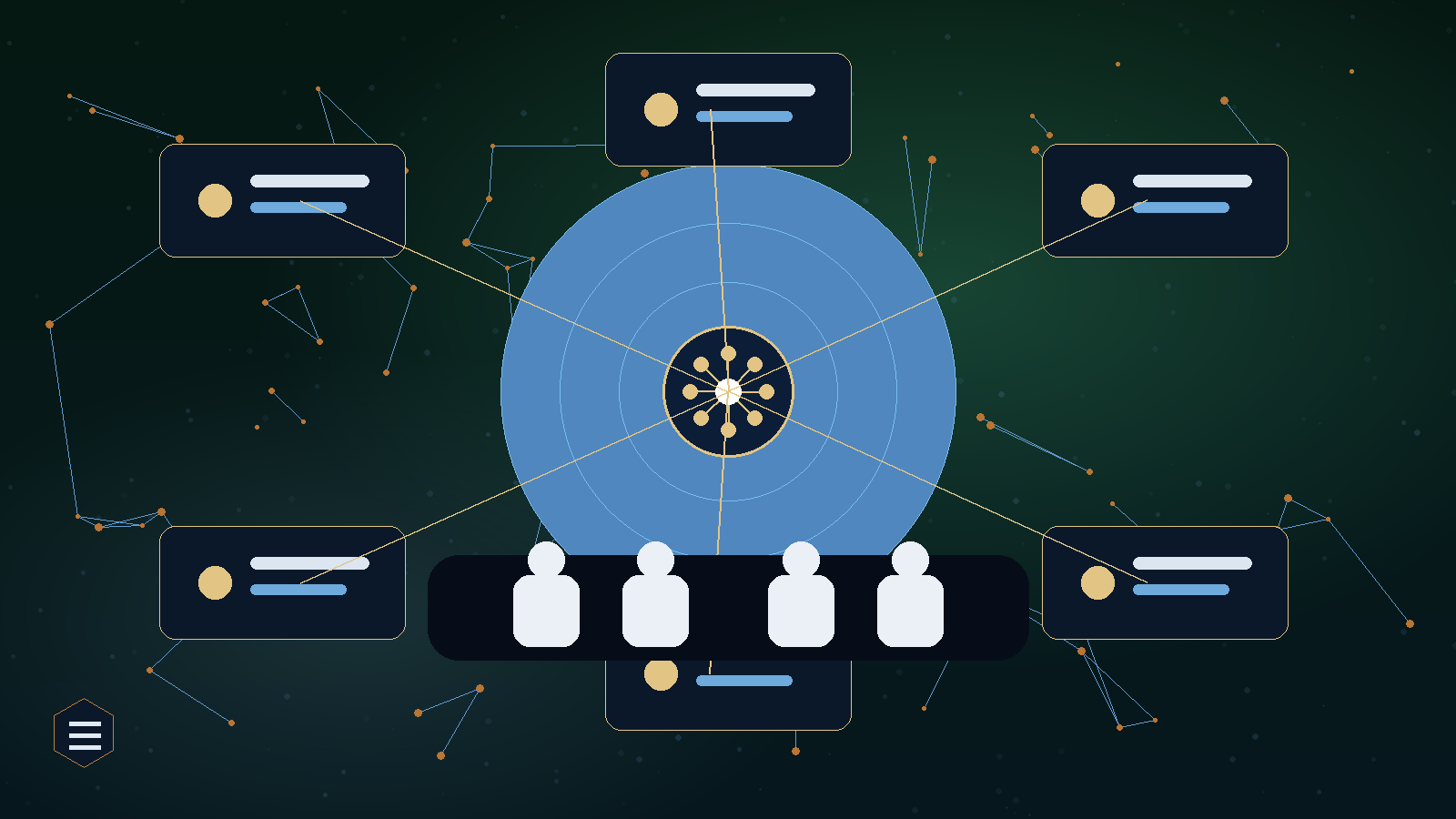
Agentic AI adoption requires use-case clarity, data boundaries, human oversight and governance mechanisms.

Market entry needs partner readiness, commercial clarity, positioning, enablement and disciplined governance.

Digital maturity depends on executive alignment, workflows, data, governance and adoption discipline.
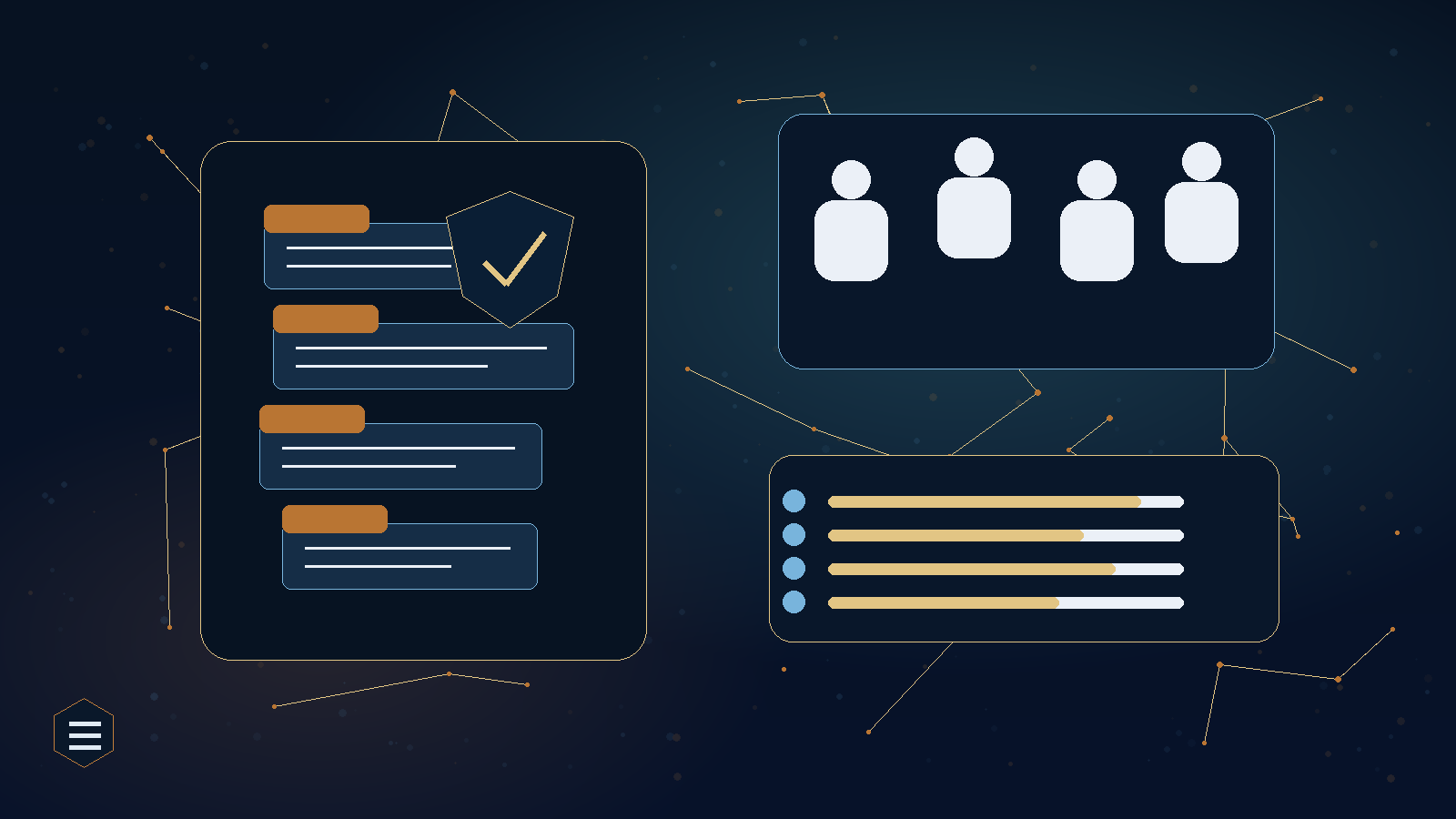
Capital conversations improve when leadership has clean data, governance discipline and investor-ready documentation.
A insights library for Enrich Services insights and practical perspectives.
Use a diagnostic sprint, roadmap engagement or 30-60-90 blueprint to convert these themes into actionable enterprise priorities.